

Pull This Report Before You Hire Holiday Helpdesk Temps

Your peak ticket queue is a post-purchase trust problem. The data you need to reduce WISMO tickets is already in your helpdesk, and acting on it before December means fewer contacts now and more repeat buyers in January.
Key takeaways
- Last holiday season, 37% of US shoppers had a package arrive late, and 37% saw the delivery date change after they ordered.
- Your helpdesk already holds your peak WISMO count. Pull it, cost it at about $12 a contact, and sort it by cause before you finalize temp headcount.
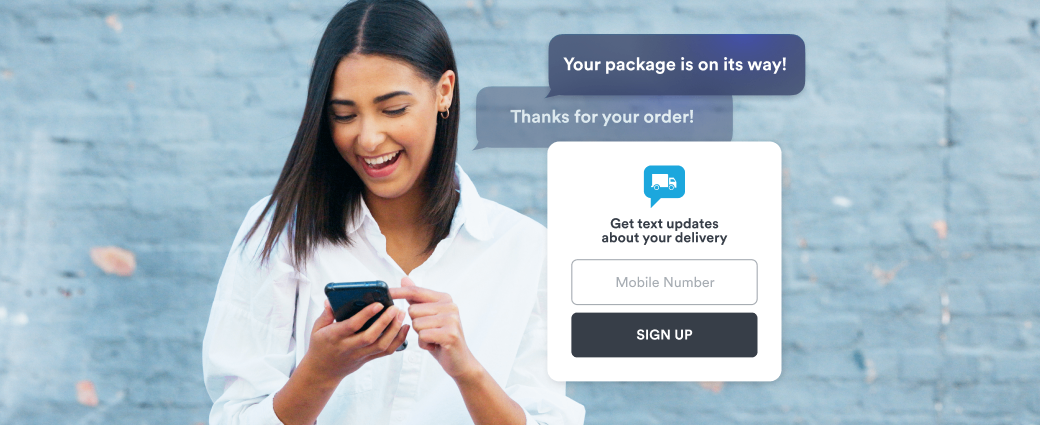
- Shipped and delivered emails miss the moments that create tickets. But predictive delay, exception, and delivery-anticipation emails cover them.
- The payoff runs past cost: 44% of shoppers say order and delivery notifications would make them buy from you again.
The number missing from your staffing plan
Care teams are signing off on holiday temps right now. Before you sign yours, check one figure: how many of last peak's tickets were shoppers asking where their order was?
The fastest way to reduce those WISMO tickets is to answer the question before the shopper asks it, and the four steps below show you how.
In our recent holiday report, we surveyed 1,348 US shoppers and 100 retailers, and it shows where those tickets begin: 37% of shoppers had a package arrive late last peak; 37% watched the delivery date change after purchase; and 23% had a package marked delivered that never arrived.
Every one of those problems starts after the order ships, when a shopper's only line to you is a tracking page or your support inbox. Both sides feel it: 68% of shoppers rate on-time delivery "very important," and 66% of retailers rank it a top-three peak challenge.
Want the full shopper data for 2026 Peak?
See what 1,348 consumers say is important to them this holiday shopping season.
Run the audit in an afternoon
The four steps below turn last peak's ticket history into a number you can plan around. The first two tell you how many WISMO tickets you had and what they cost. The last two show which of those tickets a tool like Narvar Notify can prevent, and how to handle the ones that still come in.
1. Pull last November and December from your helpdesk
Filter Zendesk, Kustomer, or Gorgias to last year's peak and pull every ticket tagged order status, shipping, or delivery. If tagging differs across teams, search subject lines and first messages for "where is," "hasn't arrived," "tracking," and "says delivered."
Running several brands or regions? Split the pull by each one, because the split tells you which brand or market to fix first. Record three figures: total WISMO tickets, their share of all peak tickets, and your busiest week.
2. Put a dollar figure on it
Each call-center contact can cost from $3 to $12. Multiply your team's contact cost by your WISMO count and you have last peak's handling cost for a single question.
Then take your busiest week and divide it by what one temp agent clears in a week. That’s how many of this year's temps you are hiring to read tracking pages back to shoppers.
3. Match each cause to its fix
The tickets in your pull trace back to moments your current emails skip. Shopify and most commerce platforms send two messages, shipped and delivered, and neither one arrives when a shopper starts to worry.
Start with the biggest bucket: late parcels and moved dates. A Notify predictive delay alert covers both, telling the shopper the new date before they notice the old one has slipped.
Next, pull out missed and stuck deliveries. An attempted delivery or exception email explains what happened and what comes next, so the shopper doesn't have to ask.
The last bucket is the one you might overlook: orders where nothing went wrong, but the shopper heard nothing between "shipped" and "delivered." A delivery-anticipation email, sent about 24 hours before arrival, fills that gap.
Shoppers open these messages because each one answers the question they were about to send you. Predictive delay emails average 38% click-through and attempted delivery emails 34%. A delivered email averages 8%. The one message your platform already sends is the one shoppers are most likely to skip.
4. Answer the rest inside the ticket
Some tickets will still arrive, including the "it says delivered, but it isn't here" contact. On Zendesk, the Narvar Connect + Care app gives agents the order, its shipping status, and notification history, inside the ticket. Agents resend an email from the same screen, without switching to another tool.
How many temps are you hiring to read tracking pages back to shoppers?
What this looks like across 80+ brands
An audit tells you where your tickets come from. These retailers show what happens once you start answering shoppers first, from a portfolio of more than 80 brands to a single-brand UK retailer.
- Newell Brands runs Notify across more than 80 brands and averages a 20% reduction in WISMO.
- Fortnum & Mason, the London gifting retailer, cut WISMO queries by 50% with Narvar order data inside its Zendesk workflow.
- Hibbett Sports brought contacts per order down by more than 20%.
Fewer tickets, more repeat buyers
44% of shoppers say order and delivery notifications would make them buy from a retailer again.
-Delivering the 2026 Holiday Shopping Season
A shopper who hears about a delay from you, before checking a tracking page, has no reason to open a ticket. They also have a reason to trust you with the next order. For example, since Clarins started using Notify, its customers are 3x more likely to repurchase.
That turns your WISMO count into a loyalty metric. The same message that keeps a ticket out of your December queue brings the shopper back in January.
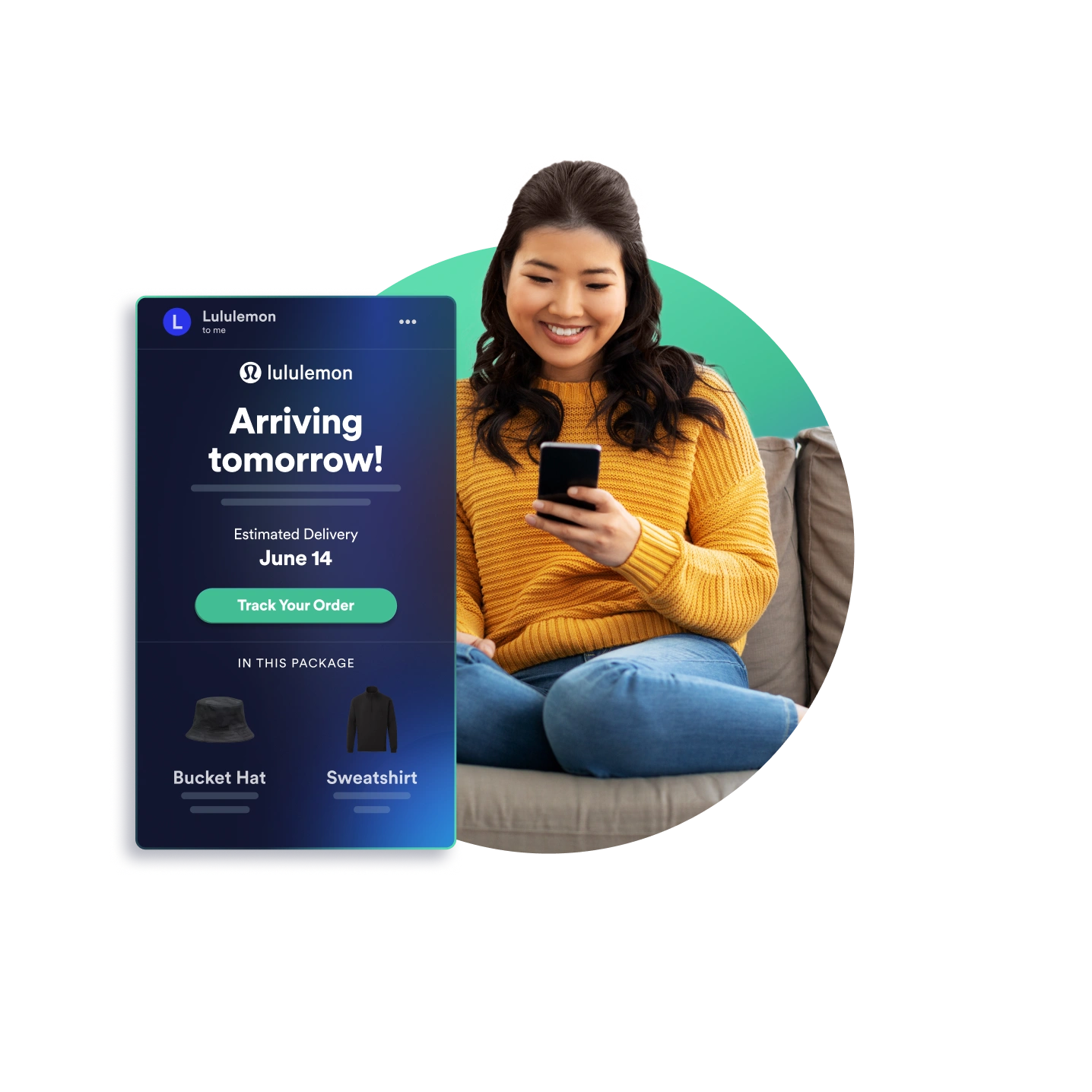
Create delightful shopper journeys beyond the buy button
Drive repeat customers by building trust and rapport through proactive communications every step of the way.

FAQ
What is WISMO?
WISMO stands for "where is my order." It covers every contact a shopper makes to ask about an order's status, delivery date, or location after they buy.
How do I find WISMO tickets in Zendesk, Kustomer, or Gorgias?
Filter to last November and December and pull tickets tagged order status, shipping, or delivery. Where tagging is inconsistent, search subject lines and first messages for phrases like "where is" and "hasn't arrived."
How much does a WISMO ticket cost?
A call-center contact costs around $12. Multiply that by your peak WISMO count to size last season's cost.
Do shipped and delivered emails reduce WISMO?
They leave the biggest gaps open, because they skip the moments that create tickets: late parcels, changed delivery dates, and failed deliveries. Delivered emails also average 8% click-through, against 38% for predictive delay emails.
How do retailers reduce WISMO before peak season?
They tell shoppers about a delay or exception before the shopper asks. Newell Brands averages a 20% WISMO reduction across 80+ brands, and Fortnum & Mason cut WISMO queries by 50%.
Does Narvar work inside Zendesk?
Yes. The Narvar Connect + Care app is live on the Zendesk Marketplace, so agents see order status and notification history inside the ticket.
Related posts