

Why your support queue floods in December

Holiday shoppers remember the delivery date you promised. When it slips and nobody tells them, the promise breaks, and a support ticket is how they let you know. Proactive shipping notifications either keep the promise or keep the shopper posted.
Key takeaways
- 70% of shoppers say an accurate delivery date at checkout is very important, the highest-rated factor in Narvar's 2026 holiday research.
- 65% of shoppers feel anxious about the season. A date that changes without warning is where that anxiety turns into a ticket.
- Notify's predictive delay emails measure every delay against the date you promised, so the shopper hears the new date from you first.
A gift, a date, and a tracking page
Picture a shopper who orders a gift in mid-December because your site promised it would arrive before the holiday. Two days before that date, they refresh the tracking page and see a new delivery date. Nobody told them.
They aren't thinking about carriers or scan events. They're thinking the gift will be late, and that you didn't say so. Their next move is your support inbox.
Care teams log that message as WISMO. For the shopper, it's a question about whether they can count on you, and this year that question carries more weight.
70% of shoppers say an accurate delivery date at checkout is very important when making a holiday purchase, the highest-rated factor in our entire consumer survey. - Delivering the 2026 Holiday Shopping Season
The same research found that 65% of shoppers feel anxious about the season, so they're watching that date closely. And dates do move: 37% of shoppers saw the delivery date change after they bought last peak. And a promise that slips does more damage than no promise at all.
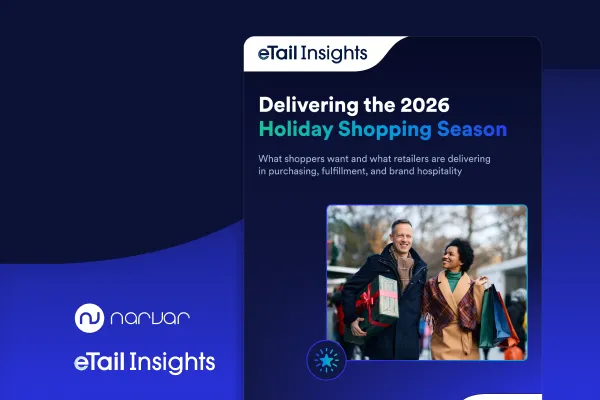
Want the full shopper data for 2026 Peak?
See what 1,348 consumers say is important to them this holiday shopping season.
The four questions behind the ticket
Between "shipped" and "delivered," a shopper's worry takes four forms. Here's what they hear from you today, and what a proactive message tells them instead.
"Is it still coming on time?"
This is the question your promise creates. When the date changes and nobody says so, the shopper finds out from a tracking page or from an empty doorstep.
A carrier delay email waits for the carrier to report a problem. A Notify predictive delay email works from Narvar's own prediction, built from carrier and order data, and compares it with the date you promised at checkout. The promise was yours, so the update comes from you, before the shopper goes looking.
"Did I miss it?"
The carrier tried, nobody was home, and a slip on the door is the only explanation. The shopper can't tell if the parcel is back at the depot or coming tomorrow.
An attempted delivery or exception email tells them what happened and what comes next, in your brand's voice instead of the carrier's.
"Is it even moving?"
Nothing has gone wrong. The parcel is on schedule. But between "shipped" and "delivered" the shopper hears nothing, and a gift with a deadline turns every quiet day into doubt.
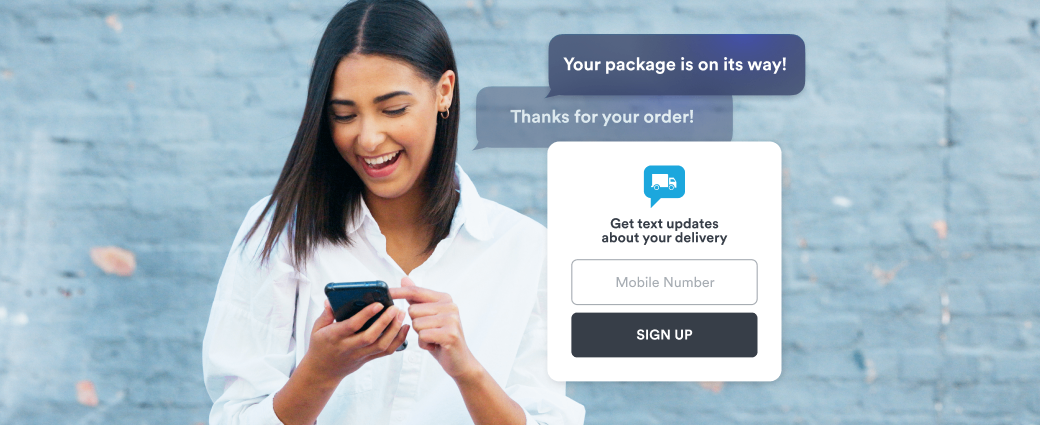
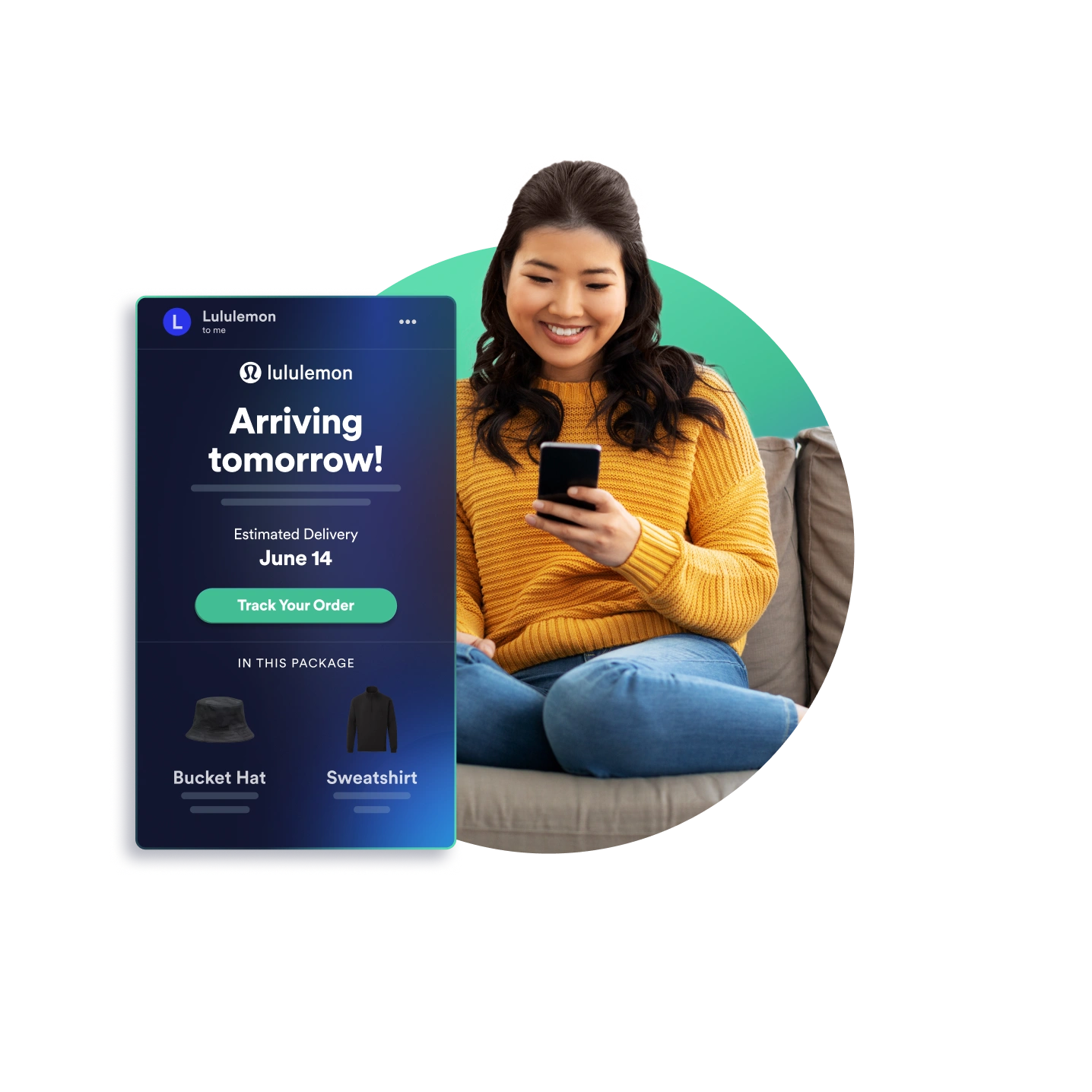
A delivery-anticipation email goes out about 24 hours before arrival. It replaces the silence with the one fact the shopper wants: your order arrives tomorrow.
"It says delivered. So where is it?"
No email makes a missing parcel appear. But a shopper who has heard from you at every step before this one starts the conversation expecting you to help, not bracing for a runaround.
This is also the ticket your care team should plan for. Pull this report before you hire holiday helpdesk temps and show them how to size it.
Keep the promise or keep them posted
Retailers and shoppers already agree on one thing: the holiday research found both sides favor resolving delivery problems proactively, before they turn into a support issue. The retailers who act on it see the difference.
Once Davines could reach shoppers proactively during shipping and fulfillment delays, its WISMO inquiries fell 22% within a few weeks. At Molton Brown, WISMO dropped out of the top 10 contact drivers entirely within three months.
Narvar calls this brand hospitality: how cared for a shopper feels in every moment after the sale. A shopper who hears about a delay from you, in your voice, has been taken care of. That's the shopper who comes back in January.
Your shoppers will have questions this December. It's up to you if they hear the answer from you first.
Create delightful shopper journeys beyond the buy button
Drive repeat customers by building trust and rapport through proactive communications every step of the way.

FAQs
How important is an accurate delivery date to holiday shoppers?
Very. In Narvar's 2026 holiday research with eTail Insights, 70% of shoppers said an accurate delivery date at checkout is very important when making a holiday purchase, the highest-rated factor in the survey.
Why do shoppers contact support after an order ships?
Usually because something changed and nobody told them. Last holiday season, 37% of US shoppers saw the delivery date change after they bought.
What is a predictive delay notification?
A Notify predictive delay notification uses Narvar's prediction, built from carrier and order data, to tell a shopper their order will miss the date promised at checkout. It goes out before the shopper notices the delay.
What should a shipping delay notification say?
The new delivery date, in your brand's voice, sent before the shopper checks a tracking page. A predictive delay email measures the delay against the date you promised, which is the date the shopper is counting on.
What is an attempted delivery notification?
An attempted delivery notification tells a shopper the carrier tried to deliver their package and what happens next.
What is a delivery anticipation email?
A delivery anticipation email goes out about 24 hours before a package arrives, so the shopper knows to expect it.
Related posts