


AI-powered delivery date estimates to boost conversion

Give shoppers peace of mind and protect and grow your bottom line

Personalized tracking experiences to build brand loyalty

Returns and exchanges management to mitigate fraud and reward best customers

Proactive communication to drive customer lifetime value

Delivery claim management to tackle fraud and build trust



From Take-Back to Payback: How Retailer Recycling Programs Boost CLTV
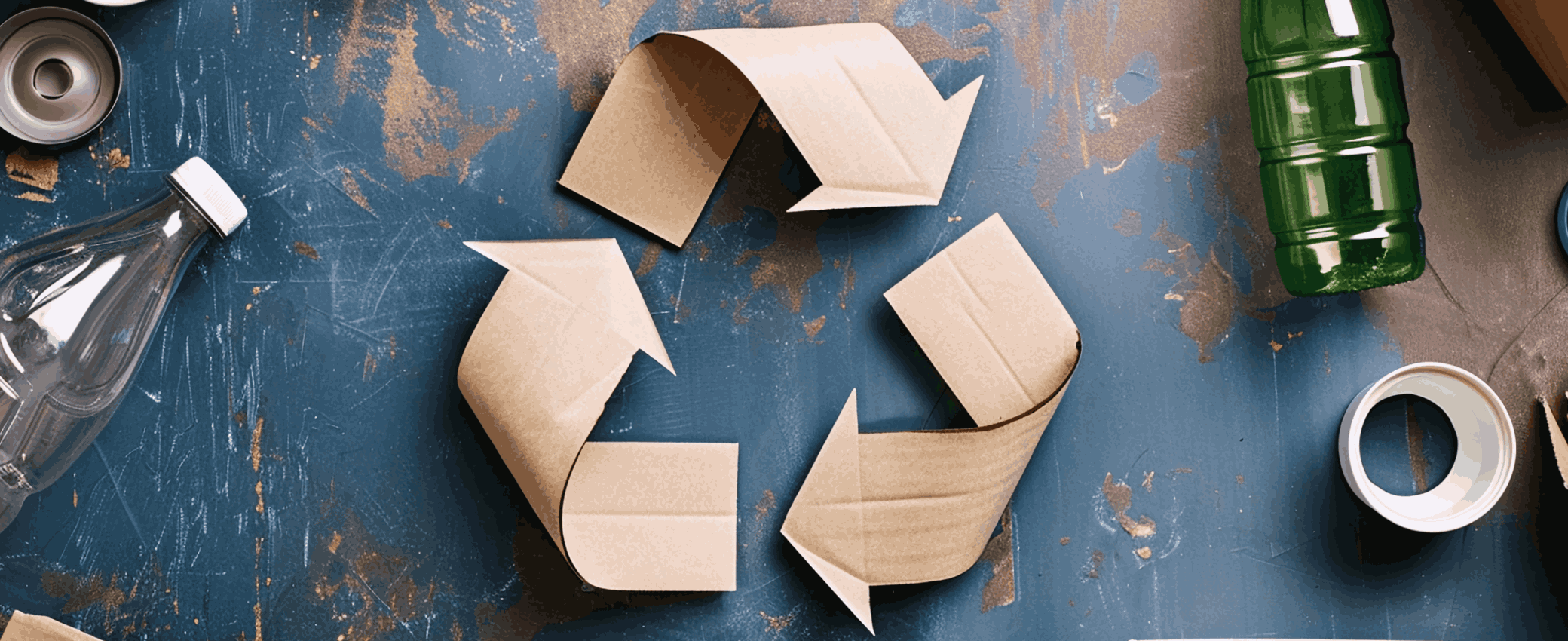
Retailer recycling programs are good for the planet but they can also boost a retailer’s bottom line.
Key takeaways
- Retail recycling programs drive both sustainability and revenue, increasing loyalty, repeat engagement, and customer lifetime value.
- Sustainability influences purchase decisions, with 66% of consumers considering it and 71% showing greater loyalty to environmentally responsible brands.
- Incentivized take-back programs boost repeat purchases, as shoppers return to redeem credits and often spend more than the reward value.
- Recycling programs increase AOV and wallet share, creating natural moments for re-engagement and upsell.
- Take-back initiatives generate valuable first-party data, helping retailers optimize product design, marketing, and lifecycle strategies.
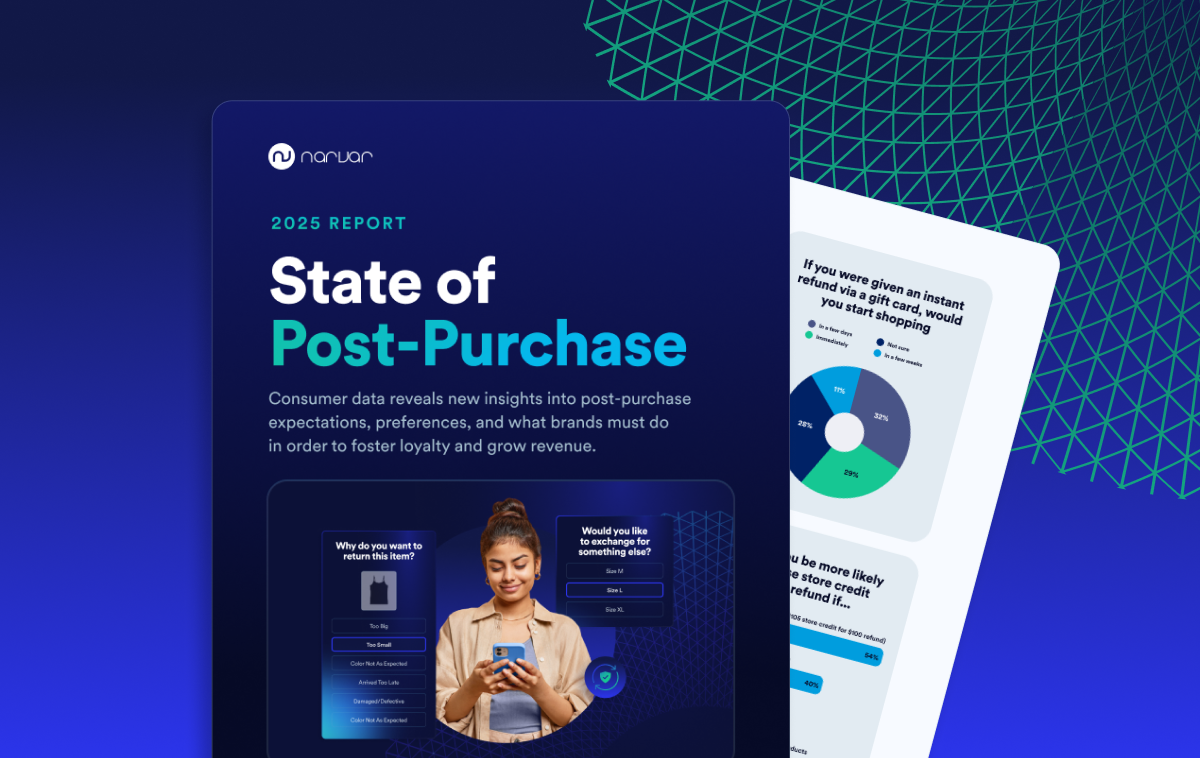
Learn What Consumers Want “Beyond Buy”
In our 2025 State of Post-Purchase Report, we explore what reassures, delights, and re-engages consumers — and how retailers can create experiences that drive revenue and loyalty.
Every day, millions of objects slip through our hands — a discarded T-shirt here, a mismatched charger there, a torn pair of jeans languishing in a drawer.
Most of us toss them without a second thought, even if we’d prefer to recycle them. The problem isn’t apathy; it’s access. For example, 87% of Americans say recycling is important, but many feel confused about which items are recyclable, and one in three feel anxious about recycling correctly.
The result is a mounting environmental cost. The combined textile and apparel industry alone contributes 8 – 10% of global greenhouse gas emissions. In the U.S., only 14.7% of textiles were recycled in 2018 (about 2.5 million tons).
That means billions of garments still flow into landfills every year. Even a modest shift — just a 10% textile-to-textile recycling rate — could reduce climate impacts by roughly 0.5%, saving around 440,000 tonnes of CO₂ equivalent. It could also dramatically improve global water scarcity metrics, with an estimated benefit of 8.8 billion m³ of water saved worldwide.
To do their part, retailers are increasingly thinking beyond product design to the full lifecycle of their goods.
“Buying a used pair of Levi’s saves approximately 80% of the CO₂ emissions, and 1.5 pounds of waste, compared to buying a new pair.”
— Jen Sey, former Global Brand President, Levi Strauss & Co.
But reducing waste and a brand’s carbon footprint is only the beginning. As more brands embrace circularity, they’re finding that retail recycling programs don’t just serve the planet — they also serve the business. Done right, these initiatives can deepen loyalty, increase repeat engagement, and drive measurable gains in customer lifetime value (CLTV).
Here we explore four ways recycling programs can foster loyalty and increase lifetime value.
Retailer recycling programs build trust with mission-driven consumers
Retail recycling programs give brands a way to walk their sustainability talk — and consumers reward that with loyalty and higher spend. In fact, 66% of all respondents and 75% of millennial respondents say they consider sustainability when they make a purchase. And 71% of U.S. adults say they’re more loyal to companies that actively protect the environment.
EILEEN FISHER’s Renew garment take-back program encourages shoppers to return any EILEEN FISHER item (in any condition) in exchange for a $5 Renew Reward. Returned items are sorted, cleaned, repaired or reworked, and either resold, upcycled, or recycled, giving each garment a second life rather than sending it to a landfill. It’s also a powerful example of how values can translate into loyalty.
“Our customers are so invested in the brand that they love the idea of keeping their EILEEN FISHER pieces in the EILEEN FISHER lifecycle.
"I think that’s what’s made us successful — the fact that our take-back program is an example of our company living by our values and inviting customers to participate in a positive, impactful cycle with a brand.”
— Lilah Horwitz, Director of Renew Content and Marketing, EILEEN FISHER
Consumers are increasingly willing to spend more with brands that align with their values — proof that sustainability is a strategic revenue driver.
Recycling programs incentivize consumers to buy again
Retail recycling programs aren’t just good for the planet — they’re good for retention. By offering incentives for returns, brands create clear reasons for consumers to come back and shop again.
Many recycling programs offer a credit for participating:
- EILEEN FISHER offers $5 in Renew Rewards for every item dropped off.
- Lululemon and IKEA issue e-gift cards, with the value based on the product’s resale potential.
These small credits can yield outsized results. Research shows that 61% of consumers spend more than the value of their gift card when redeeming it, with an average uplift of $31.75. Even better, 56% of gift cards are redeemed within six months, helping drive near-term revenue and engagement.
Incentivized recycling programs give shoppers a reason to return. And when they do, they often spend more.
Recycling programs increase wallet share and AOV
Especially for retailers with a limited product line or single-SKU focus, CLTV can plateau quickly — not because of lackluster loyalty, but because there simply aren’t many built-in upsell or cross-sell opportunities.
Recycling programs help break through that ceiling by creating a natural moment for re-engagement: Consumers return a used product in a convenient, feel-good way and are nudged to upgrade, replace, or explore something new.
Beyond the immediate swap, these programs also unlock new opportunities for deeper engagement. Consumers who participate can be funneled into personalized nurture flows, offered complementary items, or granted early access to new releases. What may have started as a one-and-done transaction becomes an ongoing relationship — one that expands both wallet share and average order value.
And the results speak for themselves: Consumers spent 4.8% more after learning about a brand’s take-back program. By their third visit, those same shoppers were spending nearly 10% more than they did on their first — clear evidence that well-designed recycling programs do more than close the loop. They open the door to growth.
Recycling programs unlock valuable consumer and product insights
Beyond sustainability, recycling programs offer a powerful source of first-party data, fueling smarter decisions across product development, marketing, and operations.
At scale, take-back programs provide visibility into product performance over time. EILEEN FISHER’s Renew program has collected more than 2 million garments since 2009, with over 660,000 pieces resold, donated, or remade as of 2023. That volume offers rich insights into product lifespan, durability, and which SKUs break down fastest — all of which can inform future design, sourcing, and forecasting strategies.
Recycling programs also uncover loyalty signals and shopper behavior patterns. In fact, 50% of consumers who purchased through Renew were new to the brand, showing how circular initiatives can attract high-intent shoppers and nurture them into loyalists.
Operationally, these programs reveal which channels and stores are most active. IKEA’s Buy Back & Resell program processed 495,000 pieces from 260,000 consumers in FY24, generating insights that can shape staffing, store layouts, and digital engagement strategies.
When brands connect this data back to their CRM and marketing systems, the impact compounds. Lifecycle intel can trigger timely replenishment campaigns. Loyalty signals can feed smarter segmentation. And program performance can guide future investment.
Finding the right partner to power your recycling program
As retailers build and scale their recycling programs, choosing the right technology partner is critical. The ideal platform should do more than just manage returns — it should enable a seamless, data-rich experience for both the brand and the shopper. That includes:
- Automated workflows and smart routing to streamline reverse logistics
- Branded, consumer-facing portals for easy recycling submissions
- Frictionless experiences with prepaid labels, drop-off options, and real-time status updates
- Insight collection on product condition, return reasons, and shopper behavior
- Robust analytics and CRM integrations to optimize circular initiatives over time
Narvar Shield, for example, quietly powers many of today’s leading retail recycling programs. From generating QR codes for returns to automating backend logistics and surfacing meaningful insights, Shield helps brands deliver take-back experiences that are simple, scalable, and aligned with consumer expectations.
By using a world-class returns management platform to power circular commerce, retailers transform a historically complex process into a branded, loyalty-building moment — one that strengthens consumer relationships, fuels smarter decisions, and supports sustainability at scale.
Doing right for the planet — and the P&L
Retail recycling programs are no longer just sustainability initiatives — they’re strategic levers for growth. From strengthening brand trust and deepening loyalty, to boosting repeat purchases, average order value, and valuable consumer insights, the impact reaches far beyond environmental stewardship.
When brands empower consumers to participate in circular practices, everyone wins. The planet benefits. Consumers feel good. And the business grows stronger — with loyalty that lasts far beyond the first purchase.
Recycling may start as a sustainability goal, but with the right approach, it becomes a driver of long-term CLTV.
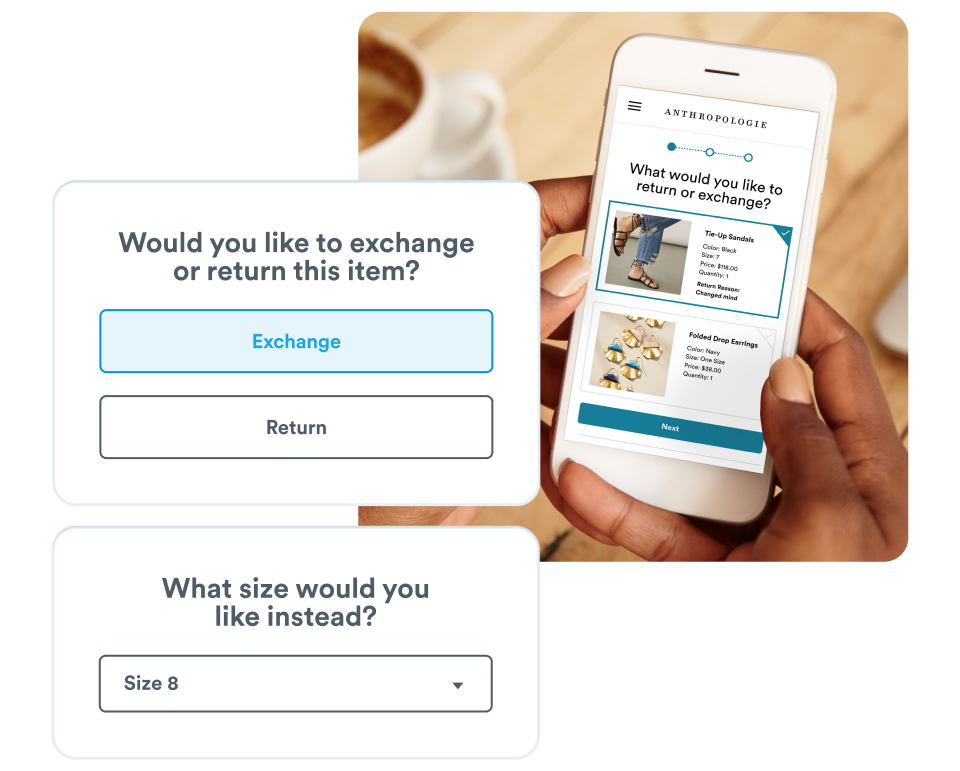
Do good for the planet your CLTV
From take-back programs to sustainable reverse logistics practices, Narvar helps leading brands design recycling experiences that protect the planet and grow lifetime value.

Frequently asked questions
What are retailer takeback programs?
Retailer takeback programs allow customers to return used products to a brand for recycling, resale, or reuse. These programs extend the product lifecycle while creating opportunities for customer re-engagement.
What is the difference between takeback programs and recycling programs?
Retailer takeback programs focus on collecting used items for resale, refurbishment, or reuse, while retailer recycling programs prioritize breaking down materials for recycling. Many brands combine both approaches as part of a broader circular strategy.
Why are retailer takeback programs important for ecommerce brands?
Retailer takeback programs help brands reduce waste, meet sustainability goals, and create repeat engagement opportunities that drive customer lifetime value.
How do retailer recycling programs impact customer loyalty?
Retailer recycling programs build trust with sustainability-minded shoppers. Consumers are more likely to stay loyal to brands that align with their environmental values and offer convenient ways to participate.
What technology is required to support retailer recycling programs?
Retailer recycling programs require platforms that manage reverse logistics, provide customer-facing portals, automate workflows, and capture data on returns and product condition.
.webp)


